Reducing carbon footprints is no longer optional, it is essential for survival in a rapidly changing world. This urgency shaped the discussions during a session on at the 3rd Yuva Sustainability Conference & Awards 2026, where industry leaders focused on moving from intent to measurable environmental impact.
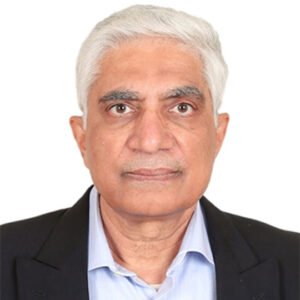
Leading this call, Raj Bhatia, President of the Faridabad Industries Association, emphasised the need for practical and accountable approaches to sustainability. From energy audits and efficient waste management to the adoption of solar energy, he outlined clear steps industries must take to reduce their environmental impact. He further added that reducing carbon footprint is no longer optional; it is essential for survival.
He also noted that sustainability efforts must go beyond symbolic actions. While initiatives such as tree plantation are important, their long-term care and ecological value are what truly matter. For industries, accountability lies in data – monitoring emissions, water usage and energy consumption to ensure real progress.
Expanding the discussion, Dr Smita Singh highlighted the hidden environmental costs embedded in everyday production systems. Drawing attention to water-intensive industries, she explained how even a single product can consume significant natural resources. Solutions such as rainwater harvesting, wastewater recycling and responsible supply chains, she stressed, are critical for long-term sustainability.
Bringing a future-focused perspective, Snigdha Kala, General Manager at Blueleaf Energy, pointed to the rapid transformation of the energy sector. Renewable energy, she noted, is already shaping the present, with solar and wind energy becoming central to industrial operations. She also highlighted the role of artificial intelligence in optimising energy systems and improving efficiency.
Adding the dimension of corporate responsibility, Neeru Dhawan, Head of Global Communications at UFlex, spoke about the growing importance of ESG (Environmental, Social and Governance) frameworks. Companies today, she noted, are being evaluated not only on profits but also on their environmental and social impact. Addressing challenges such as plastic pollution, she emphasised the need for innovation in recycling and responsible packaging, alongside stronger communication to influence consumer behaviour.
Across the session, a clear message emerged – sustainability requires both systemic change and individual responsibility. Industries must adopt greener practices, while also creating ecosystems that enable awareness, accountability and participation.
Bringing the discussion to a close, Naina Gautam, Advisor at Yuva for Sustainability, underscored the central role of youth in this transition. She emphasised that sustainability is not just a responsibility, but also an opportunity for industries to innovate and create long-term value. Highlighting the need for stronger industry–academia collaboration, internships and mentorship, she pointed to youth as key drivers of the green economy.
As the session concluded, the message remained clear: sustainability is no longer about intent, but action. For industries and young people alike, the path forward lies in reducing impact, embracing innovation and working collectively towards a more sustainable future.
Savleen Kaur is pursuing Bachelors in Journalism and Mass Communication at JIMS, Vasant Kunj, New Delhi.
