Vice Chancellor, IIMT University, Meerut, Uttar Pradesh
IIMT University, Meerut, recipient of the First Prize under the Holistic Sustainability Excellence category at the Sustainability Karma Campus Leadership Awards 2026, is recognised for institution-wide initiatives spanning biodiversity conservation, water and energy efficiency, renewable energy, zero-plastic practices and SDG integration.
IIMT University has demonstrated a strong commitment to environmental sustainability through institution-wide green initiatives that promote biodiversity conservation, resource efficiency, renewable energy adoption, and responsible campus management. The University has developed green corridors to protect flora and fauna, enabling biodiversity to flourish while supporting harmonious coexistence between people and nature.
Its Green Policy strictly prohibits tree felling, helping conserve the area’s natural resources. The University also protects the sacred and medicinal Rudraksh plant through two herbal gardens that cultivate this Himalayan native species using ex-situ conservation methods.
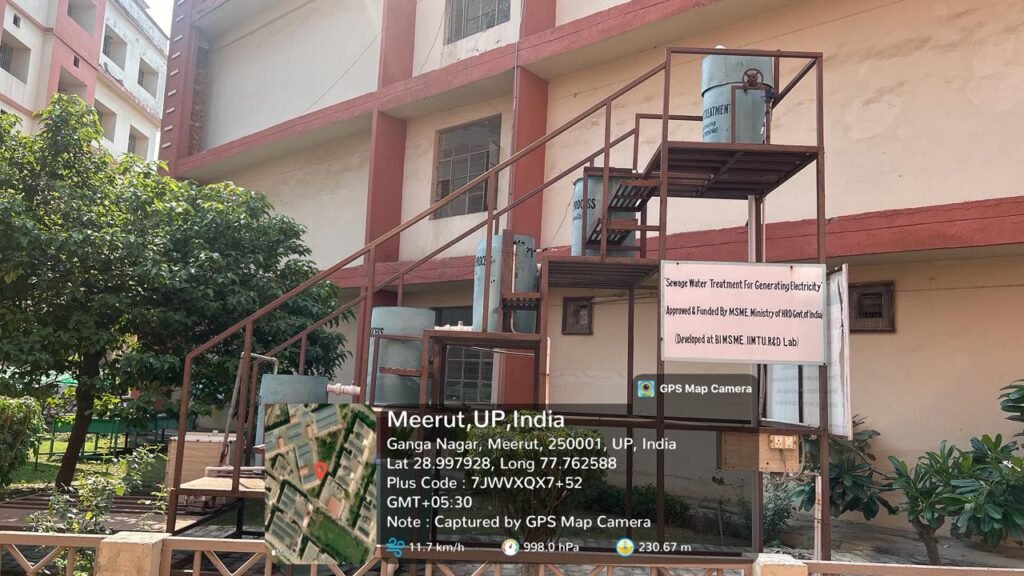
The campus follows a zero-plastic policy that prohibits single-use plastic items, including polybags and plastic straws, while encouraging sustainable alternatives. Water conservation measures include rainwater harvesting, groundwater recharge, wastewater treatment and reuse, greywater irrigation, drip and sprinkler irrigation systems, water-efficient fixtures, timely leak repairs, and drought-resistant landscaping.
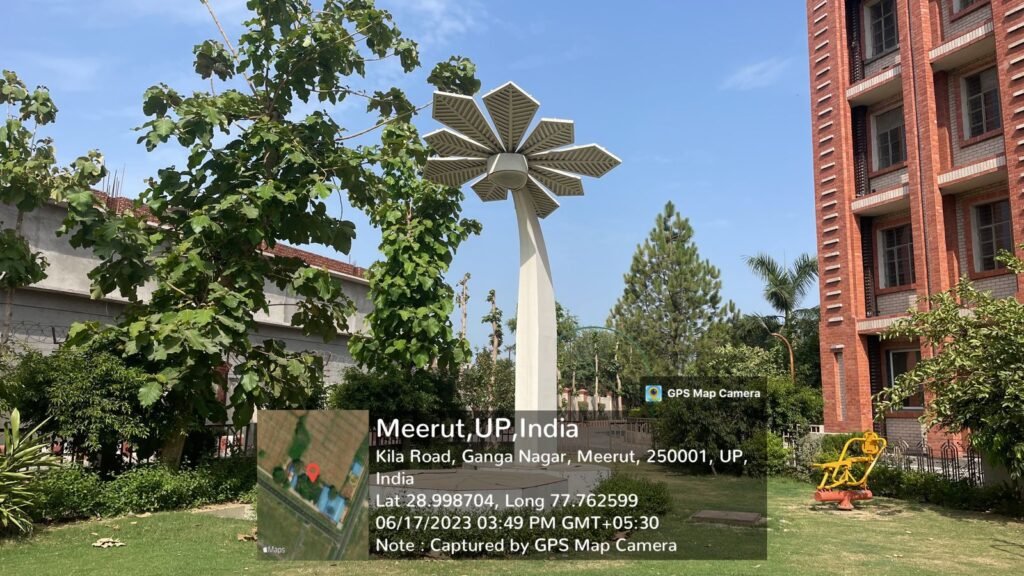
Energy conservation is promoted through LED lighting, energy-efficient infrastructure, solar power generation, sustainable transportation, and awareness programmes on energy efficiency. The University also integrates all 17 Sustainable Development Goals (SDGs) into its academic programmes and student engagement initiatives, including NSS, NCC, UBA and USR activities.
Description:
Recognising that water is fundamental to sustaining life, IIMT University has prioritised the conservation and efficient management of water resources across the campus.
Key initiatives include:
- Promoting water-efficient fixtures and equipment, including low-flow toilets, showerheads and high-efficiency washing machines.
- Encouraging timely repair of leaks and the installation of drip irrigation systems.
- Landscaping with drought-resistant plant species to reduce irrigation demand.
- Rainwater harvesting for groundwater recharge.
- Wastewater treatment and reuse for landscaping and other non-potable applications.
- Greywater reuse from sinks, showers and washing facilities.
- Adoption of efficient irrigation systems, including sprinkler irrigation.
Objectives
IIMT University recognises that environmental protection is essential for safeguarding biodiversity, ensuring sustainable resource use, mitigating climate change, and improving the well-being of present and future generations.
Its key objectives are to promote:
- Human health
- Biodiversity conservation
- Climate change mitigation
- Sustainable resource management
- Economic resilience
- Ecosystem services
- Environmental quality
Innovation
IIMT University has introduced paperless reforms through an integrated Enterprise Resource Planning (ERP) system that digitises academic and administrative processes.
Leveraging Information and Communication Technology (ICT), the ERP system integrates admissions, student records, examinations, financial management and other institutional functions, improving efficiency, transparency and sustainability while significantly reducing paper consumption.
Outcomes
The initiative has helped create an environmentally sustainable campus.
Key outcomes include:
- Enhanced biodiversity through green corridors and medicinal plant conservation.
- Improved resource efficiency through water and energy conservation measures.
- Reduced waste through zero-plastic and paperless initiatives.
- Greater awareness and participation in sustainability through the integration of SDGs into academic programmes and outreach activities.
- Continuous environmental improvement through regular green, environmental and energy audits.
Scalability
The University’s QR coding and identification of campus flora provide an innovative model for promoting biodiversity conservation and environmental awareness.
Each significant tree and plant species is assigned a unique QR code that provides information on its scientific and common names, habitat, ecological significance, medicinal or economic value, and conservation status. The initiative can be readily replicated by other educational institutions seeking to strengthen biodiversity education and campus sustainability.
SDG Integration
Different schools and departments have adopted Sustainable Development Solutions (SDS) aligned with the United Nations Sustainable Development Goals.
These are integrated into teaching, research and outreach activities to promote social and economic development within the carrying capacity of ecosystems. The School of Life Science and Technology has adopted SDG 15: Life on Land as a priority focus through biodiversity conservation, protection of terrestrial ecosystems and initiatives that promote the sustainable use of natural resources.