Principal, Billabong High International School, Noida, Uttar Pradesh
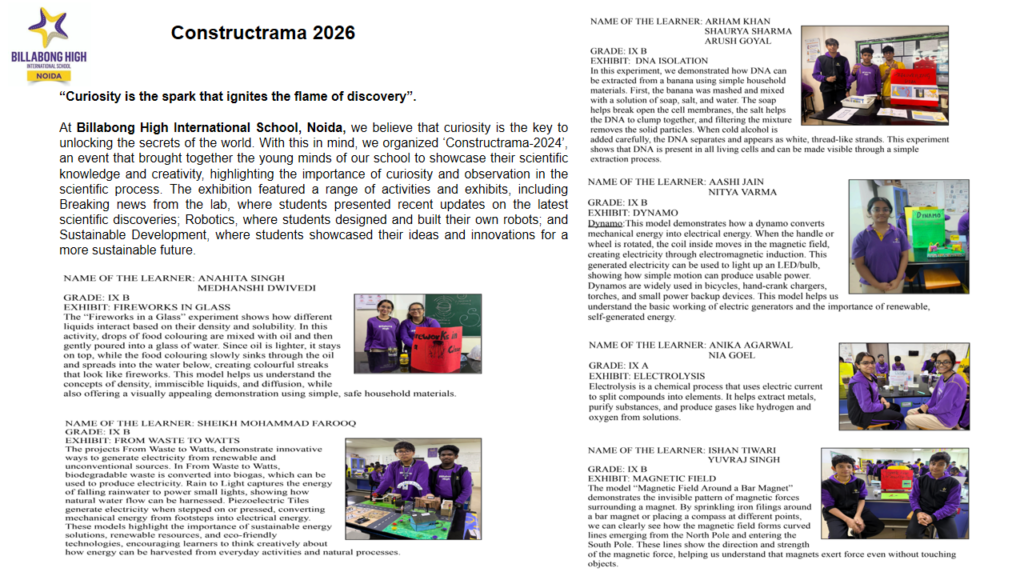
Billabong High International School, Noida, recipient of the First Prize under the Sustainability in Curriculum & Research category at the Sustainability Karma Campus Leadership Awards 2026, is recognised for sustainability-led learning through programmes including Vigyantram, Constructrama, Ignición and Matrix, alongside technology, research and design thinking.
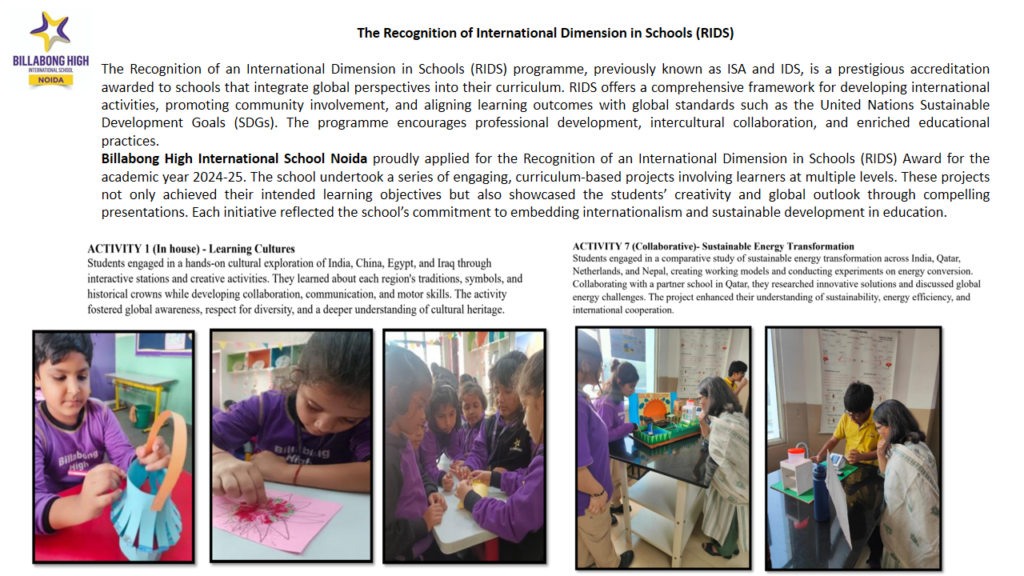
Billabong High International School has embedded sustainability into its curriculum by integrating environmental education, technology, innovation and experiential learning across subjects and grade levels. Rather than treating sustainability as a standalone topic, the school has made it a core educational philosophy that prepares students to address real-world environmental challenges.
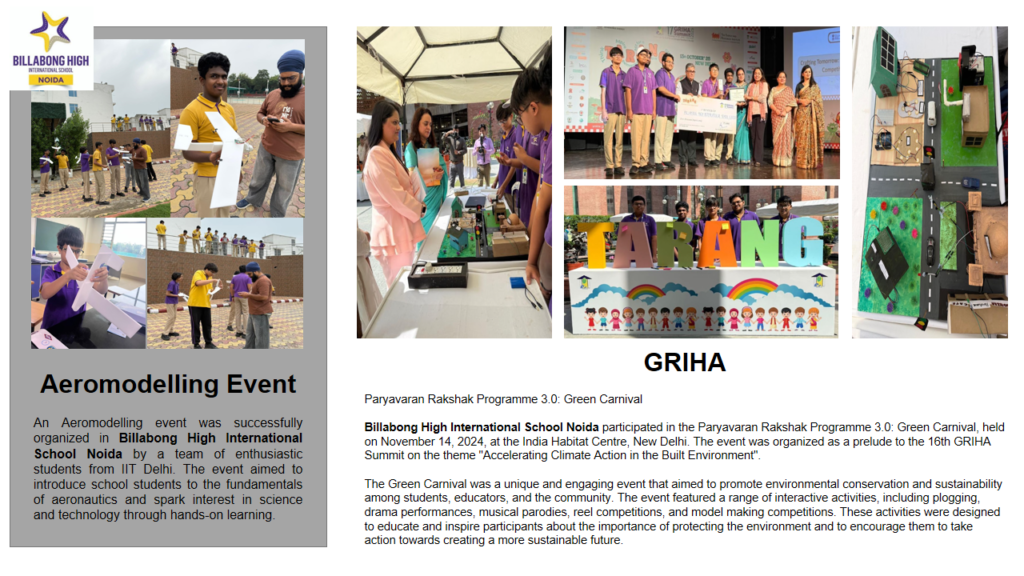
Through programmes such as Vigyantram, Constructrama, Ignición and Matrix, students engage in robotics, artificial intelligence, scientific research and design thinking to develop practical solutions for issues such as food waste, energy conservation and responsible consumption. Teacher facilitation and interdisciplinary collaboration ensure that sustainability remains academically rigorous and relevant.
By combining inquiry-based learning with student-led research and innovation, the initiative nurtures environmentally responsible, future-ready changemakers equipped with the skills to contribute to sustainable development.
Description
The initiative integrates sustainability across teaching, learning and research by combining environmental education with technology, innovation and experiential learning.
Key activities include:
- Integrating the Sustainable Development Goals into lesson planning and teaching.
- Conducting programmes such as Vigyantram, Constructrama and Ignición.
- Implementing sustainability-focused projects such as Matrix.
- Promoting robotics, artificial intelligence and scientific research.
- Encouraging inquiry-based and interdisciplinary learning.
- Supporting student-led innovation and design thinking.
Objectives
The initiative aims to:
- Embed sustainability across curriculum and pedagogy.
- Integrate technology and experiential learning into environmental education.
- Foster critical thinking, research and ethical decision-making.
- Align teaching and learning with the Sustainable Development Goals.
- Develop environmentally responsible and future-ready learners.
Innovation
The initiative adopts a whole-school approach that integrates sustainability, technology, entrepreneurship and social impact within the curriculum. Student-led, mentor-guided projects encourage authentic learning by connecting classroom knowledge with real-world environmental challenges.
Outcomes
The initiative has strengthened sustainability education across the school community.
Key achievements include:
- Integrated sustainability into lesson plans and assessments.
- Increased student understanding of environmental, social and economic sustainability.
- Encouraged teachers to connect classroom learning with real-life challenges.
- Fostered a school culture centred on sustainable living.
- Developed lifelong habits of responsible environmental stewardship among students.
Scalability
The initiative offers a flexible framework that can be adapted across schools and educational systems.
Its scalable components include:
- SDG-integrated curriculum design.
- Inquiry-based and interdisciplinary learning.
- Student-led sustainability projects.
- Teacher capacity building.
- Technology-enabled experiential learning.
- Cross-curricular sustainability education.
By embedding sustainability into mainstream teaching rather than standalone programmes, the model provides a practical framework for schools seeking to cultivate environmentally responsible learners.