Vice Chancellor, Chhatrapati Shahu Ji Maharaj University, Kanpur, Uttar Pradesh
Chhatrapati Shahu Ji Maharaj University, Kanpur, recipient of the First Prize under the Open Category at the Sustainability Karma Campus Leadership Awards 2026, is recognised for policy-led sustainability governance spanning water, waste and energy management, audits, low-carbon energy, annual reporting, SDG disclosures and curriculum integration.
Chhatrapati Shahu Ji Maharaj University has transformed sustainability from a series of isolated environmental activities into a comprehensive, policy-driven governance framework. Through measurable resource management, institutional accountability and regular public reporting, sustainability has become an integral part of campus planning and operations.
The University has institutionalised water, waste and energy management through formal policies, audits and monitoring systems. Large-scale wastewater reuse, high rates of waste recycling, regular energy audits and low-carbon energy adoption demonstrate a shift from compliance-based environmental management to long-term sustainability governance.
The initiative is reinforced through annual Sustainability Reports, SDG-wise disclosures, curriculum integration, sustainability literacy assessments and community outreach. Together, these measures provide a scalable model showing how large public universities can embed sustainability into governance, operations and education.
Description
The initiative embeds sustainability into institutional governance through measurable resource management, policy implementation and continuous monitoring across campus operations.
Key activities include:
- Campus-wide water management supported by wastewater treatment and reuse.
- Policy-based water stewardship and pollution prevention.
- Waste segregation, recycling and landfill diversion.
- Plastic-ban and sustainable procurement policies.
- Regular energy audits and energy-efficiency upgrades.
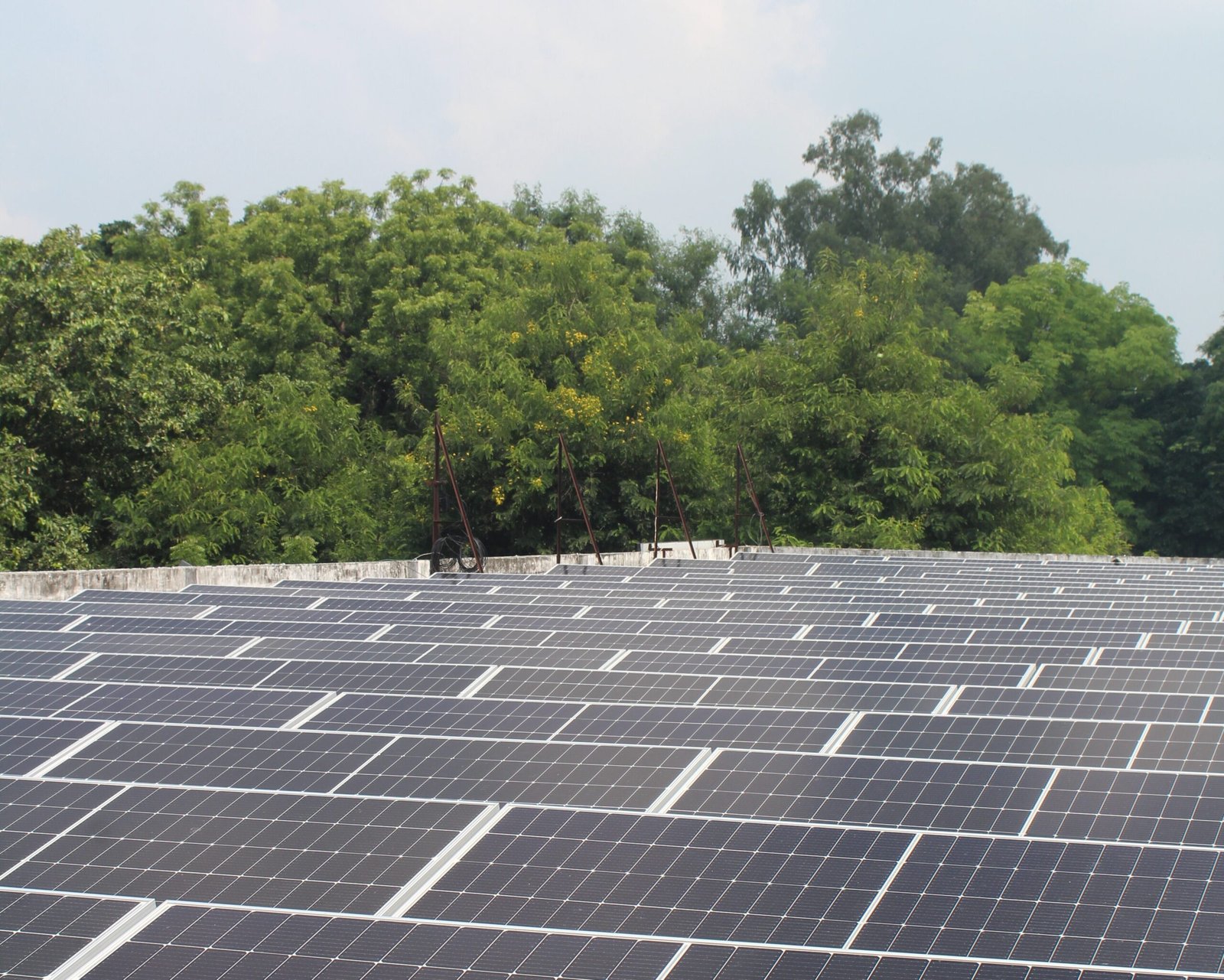
- Low-carbon energy adoption and Green Campus Policy implementation.
- Annual Sustainability Reports and SDG-wise progress reporting.
- Sustainability literacy assessment and community awareness programmes.
Objectives
The initiative aims to:
- Transform sustainability into a measurable, policy-driven institutional system.
- Reduce the University’s environmental footprint through responsible water, energy and waste management.
- Embed circular economy principles across campus operations.
- Strengthen governance through formal policies, audits and reporting.
- Integrate sustainability into teaching, research and institutional planning.
- Align campus operations with the Sustainable Development Goals and national priorities.
Innovation
The initiative redefines sustainability as an institutional governance function rather than a collection of environmental projects. By integrating quantified monitoring, policy review cycles, supplier engagement, SDG reporting and long-term carbon neutrality planning, the University has created a transparent and accountable sustainability framework capable of guiding decision-making across a large public campus.
Outcomes
The initiative has delivered measurable improvements in environmental performance and institutional governance.
Key achievements include:
- Comprehensive management of campus water resources through treatment and reuse systems.
- Approximately 90 per cent of solid waste diverted from landfill through recycling.
- Increased use of low-carbon energy supported by regular energy audits.
- Strengthened sustainability governance through annual reporting and policy reviews.
- Improved sustainability literacy among students and wider community engagement on climate and water conservation.
- Established a clear roadmap towards carbon neutrality.
Scalability
The initiative offers a governance-led framework that can be adopted by universities of varying sizes without relying solely on high-cost infrastructure investments.
Its scalable components include:
- Policy-driven sustainability governance.
- Quantified monitoring of water, waste and energy.
- Annual sustainability and SDG reporting.
- Sustainable procurement and supplier engagement.
- Integration of sustainability into curriculum and campus operations.
- Long-term carbon neutrality planning.
By combining institutional governance with measurable environmental performance, the model provides a practical and replicable roadmap for higher education institutions seeking to embed sustainability into policy, operations and long-term strategic planning.