At Ramjas International School, R.K. Puram, R K Puram, New Delhi, sustainability is not viewed merely as an environmental responsibility; it is a way of learning, thinking and living. The school’s green-campus journey is rooted in the belief that meaningful environmental education happens when students move beyond awareness and become active participants in creating solutions.
Through its sustainability initiatives, the school is transforming its campus into a living laboratory where plantation, waste management, recycling, renewable energy and innovation come together. These efforts encourage students to understand environmental challenges, explore practical solutions and recognise that even small actions can contribute to lasting change.
From nurturing saplings and reducing plastic waste to experimenting with sustainable materials and exploring renewable energy, the school integrates environmental responsibility into everyday learning.
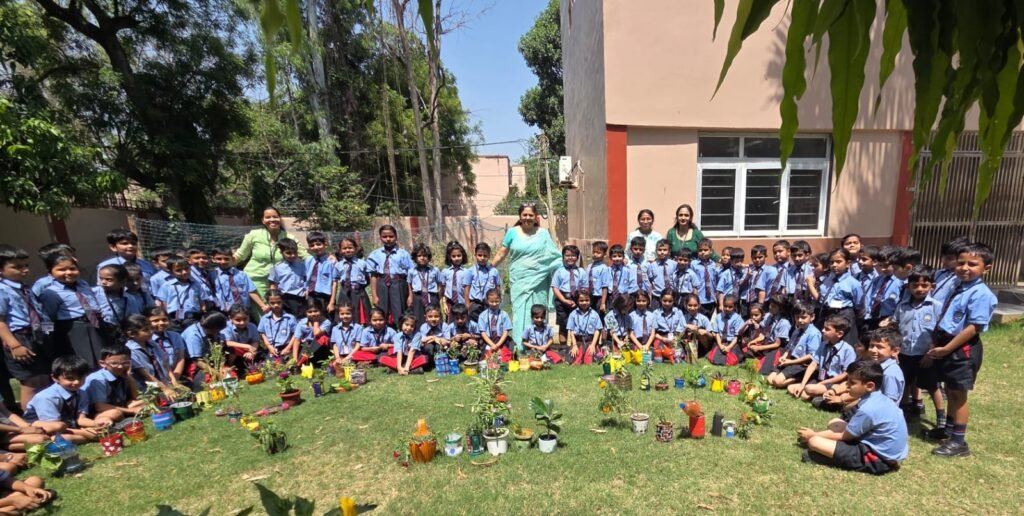
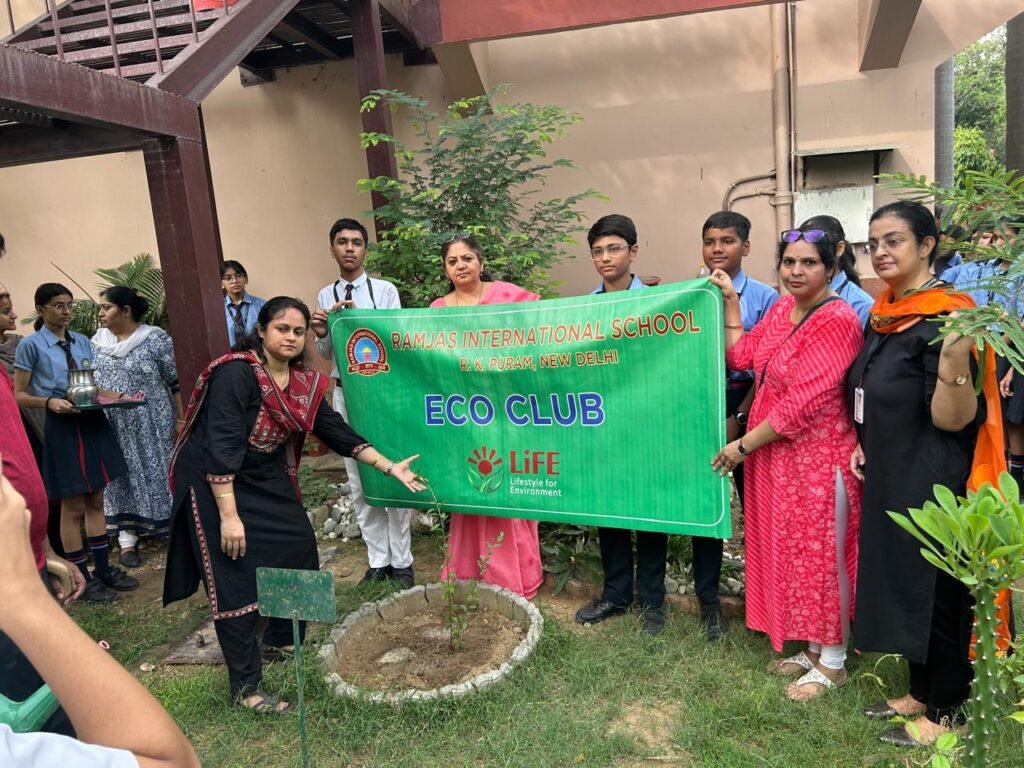
Growing a Greener Campus: Plantation and biodiversity conservation form an important part of the school’s environmental initiatives. Through plantation drives and programmes such as “Ek Ped Maa Ke Naam” and “Ek Ped Desh Ke Naam,” students are encouraged not only to plant trees but also to understand the importance of nurturing and caring for them.
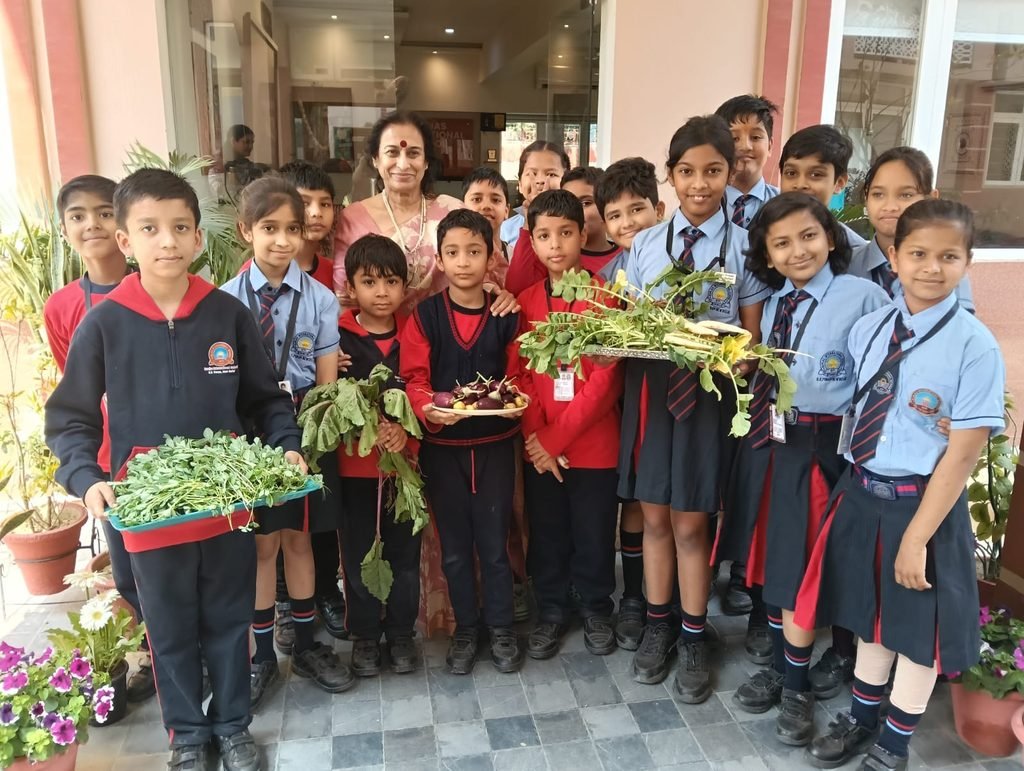
The school also promotes urban farming and responsible food practices, encouraging students to explore how food can be grown within limited urban spaces. These experiences help learners appreciate the relationship between plants, soil and natural resources while developing a sense of responsibility towards the environment.
The practice of composting further complements these efforts by demonstrating how organic waste can return to the soil and support plant growth. Together, plantation, urban farming and composting provide students with practical insights into biodiversity conservation and sustainable living.
Towards a Single-Use Plastic-Free Campus: Reducing dependence on single-use plastic is another important aspect of the school’s green-campus approach. The school encourages sustainable alternatives such as cloth and jute bags, reusable utensils and responsible packaging.
Students are sensitised to the environmental impact of everyday consumption and are encouraged to adopt the principles of Refuse, Reduce, Reuse and Recycle. Through these practices, they learn to make more responsible choices and understand how individual habits can influence the environment.
By encouraging alternatives to disposable products and promoting awareness about plastic pollution, the school seeks to make responsible consumption an integral part of campus life.
Turning Waste into Resources: One of the distinctive features of the school’s sustainability initiatives is its emphasis on transforming waste into useful and innovative products.
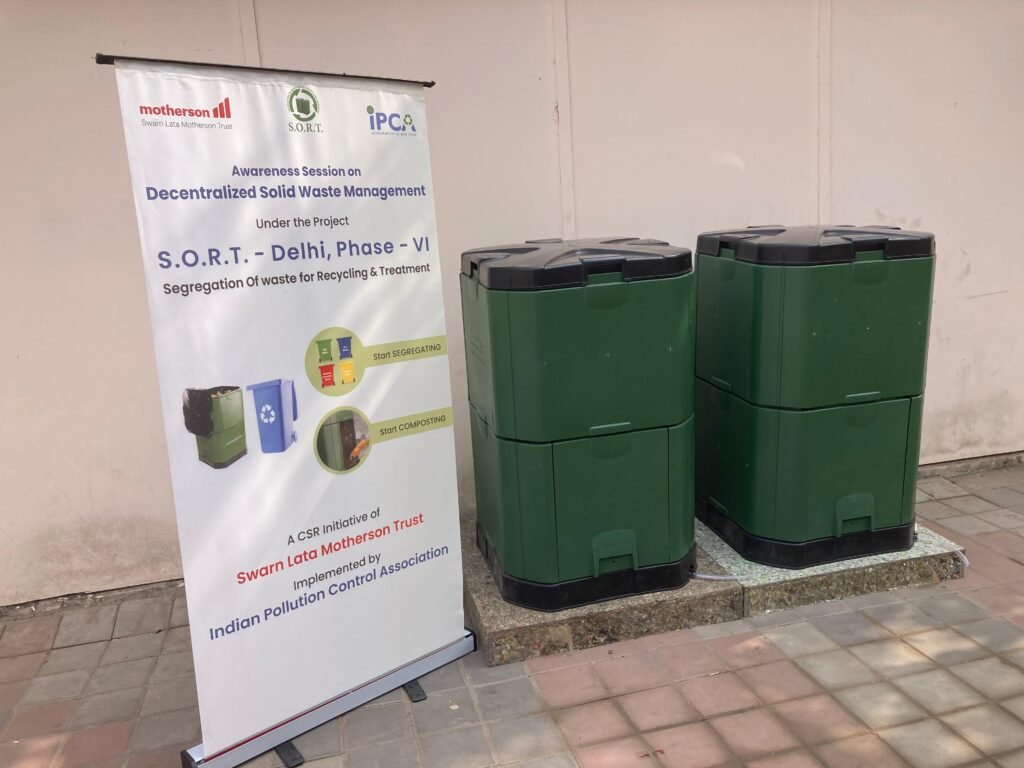
Through its collaboration with IPCA, the school has strengthened its focus on plastic collection, segregation and responsible recycling. Students participate in collection drives and awareness activities, learning how discarded materials can become valuable resources when managed appropriately.
The school has also introduced Aerobins for composting, enabling biodegradable waste to be processed into compost. This initiative provides a practical demonstration of the circular economy, helping students understand how organic waste can be diverted from disposal and returned to productive use.
These activities reinforce the idea that effective waste management involves not only reducing the amount of waste generated but also identifying opportunities to recover, reuse and recycle materials.
Innovation with Agricultural Waste: The school encourages students to view environmental challenges as opportunities for creativity and innovation. Agricultural residue, particularly paddy stubble, has been explored as a raw material for developing sustainable products.
Student-led experimentation includes stubble-based paper, stubble-fused boards and other value-added products. These efforts demonstrate how agricultural residue can be transformed into useful materials rather than being treated simply as waste.
The exploration of bioplastics further broadens students’ understanding of sustainable materials. By investigating alternatives to conventional plastic, students are encouraged to engage with the science behind material innovation and consider how new approaches can address environmental concerns.
Such initiatives connect environmental education with practical experimentation, encouraging learners to think critically about resource use and the possibilities of sustainable product development.
Recycling Paper, Reusing Materials: Paper recycling and responsible paper use form an important part of the school’s sustainability practices. Students learn to appreciate paper as a resource and understand the importance of reducing consumption and extending the useful life of materials.
The school’s Eco Club takes the concept of reuse further through creative initiatives such as making folders from discarded cloth, creating planters and display materials from used resources, and converting discarded pens into stands and planters.
These activities encourage students to look beyond the original purpose of everyday objects and explore new ways of using them. They also demonstrate how creativity can support resource conservation and reduce unnecessary waste.
Through such hands-on experiences, students learn an important lesson: materials that are no longer needed for one purpose can often be reimagined for another.
Closing the Paper Loop: The school promotes paper conservation by encouraging students to reduce unnecessary consumption and explore ways of extending the useful life of paper and other stationery materials.
This philosophy of reuse extends into academic practices as well. Students are encouraged to submit their holiday homework in handmade, creatively designed folders, often prepared using recycled or reused materials.
This simple practice transforms an academic requirement into an opportunity to reinforce creativity, resourcefulness and responsible consumption. Rather than treating folders and stationery as disposable items, students learn to appreciate the value of reusing materials and making thoughtful choices.
By integrating these practices into everyday schoolwork, the school demonstrates how sustainability can become part of routine learning rather than remaining limited to environmental campaigns.
Waste to Wonder: The school’s Eco Club provides students with a platform to transform environmental concerns into creative action. Initiatives such as Waste to Wonder, Phool Se Dhoop and Eco Idols bring together creativity, science and sustainability.
Through Phool Se Dhoop, discarded flowers are explored as raw materials for making natural incense products. Other waste materials are transformed into useful and decorative objects, encouraging students to discover new possibilities in materials that might otherwise be discarded.
These activities promote experimentation, imagination and practical problem-solving. They also help students understand that environmental responsibility can be engaging and innovative, offering opportunities to create value while reducing waste.
By connecting creative expression with resource conservation, the Eco Club encourages students to turn environmental awareness into tangible outcomes.
Renewable Energy on Campus: The installation of solar panels marks another significant step in the school’s journey towards sustainable living. By integrating renewable energy into the campus environment, the school provides students with a visible example of clean energy generation.
The solar installation creates opportunities to connect classroom learning with practical applications. Students can explore the importance of renewable energy, energy conservation and responsible consumption while developing a better understanding of the role clean energy can play in addressing environmental challenges.
This initiative reinforces the importance of adopting sustainable practices and demonstrates how educational institutions can incorporate environmental responsibility into their infrastructure as well as their learning activities.
Connecting School Learning with Innovation: The school’s sustainability journey is strengthened through engagement with organisations and knowledge partners such as Green Mentors and DRIIV.
These collaborations create opportunities for students and teachers to connect school-based environmental initiatives with wider innovation ecosystems. By linking practical learning with broader ideas and approaches, the school encourages students to explore sustainability beyond the immediate campus environment.
Such engagements also reinforce the importance of collaboration, knowledge-sharing and innovation in addressing environmental challenges. They help position sustainability as an evolving field in which young learners can participate, experiment and contribute ideas.
Students as Sustainability Champions: The school’s greatest strength lies in the active participation of its students. Through the Eco Club, innovation projects, awareness campaigns, collection drives, plantation programmes and hands-on experimentation, students are encouraged to become sustainability champions.
These activities provide opportunities to move beyond theoretical understanding and take part in practical environmental action. Students learn to recognise challenges, explore alternatives and appreciate the impact of responsible choices.
The campus therefore functions not simply as a place where sustainability is taught, but as a place where sustainability is practised every day.
From nurturing a sapling to composting biodegradable waste, from collecting plastic for responsible recycling to transforming agricultural residue into new materials, the school’s initiatives demonstrate how environmental action can begin with small, consistent steps.
Through these experiences, students develop a deeper understanding of resource conservation, creativity and collective responsibility, preparing them to carry sustainable practices into their homes and communities.
Building a Sustainable Future: Ramjas International School’s green-campus journey reflects a larger educational philosophy: when students are given opportunities to identify problems, experiment with solutions and understand the impact of their actions, environmental education becomes meaningful and lasting.
The school’s initiatives across plantation, waste management, plastic reduction, recycling, composting, agricultural-waste innovation and renewable energy demonstrate a comprehensive approach to sustainability. By connecting environmental awareness with hands-on activities and creative experimentation, the school encourages students to see sustainability as an essential part of everyday life.
Its efforts also highlight the importance of collaboration, student participation and practical learning in building environmentally responsible mindsets. Whether through the Eco Club, partnerships with organisations such as IPCA, Green Mentors and DRIIV, or projects that transform discarded materials into useful products, the school continues to provide opportunities for students to learn through action.
For Ramjas International School, sustainability is not an isolated activity or an annual campaign, but an integral part of school culture. Its journey demonstrates how a green campus can nurture green mindsets, empowering young learners to make responsible choices and contribute towards a cleaner, greener and more sustainable future.