Principal, Miranda House, Delhi
Miranda House, University of Delhi, recipient of the First Prize under the Community Impact category at the Sustainability Karma Campus Leadership Awards 2026, is recognised for MH Vatavaran and related initiatives with the Unnat Bharat Abhiyan Cell and SDG Club, including environmental audits, biodiversity action and village partnerships.
Miranda House has embedded sustainability into campus life through MH Vatavaran, the college’s environmental and sustainability platform, in collaboration with the Unnat Bharat Abhiyan (UBA) Cell and the SDG Club. The initiative combines sustainability education, community engagement and responsible campus practices through active participation by students, faculty and local communities.
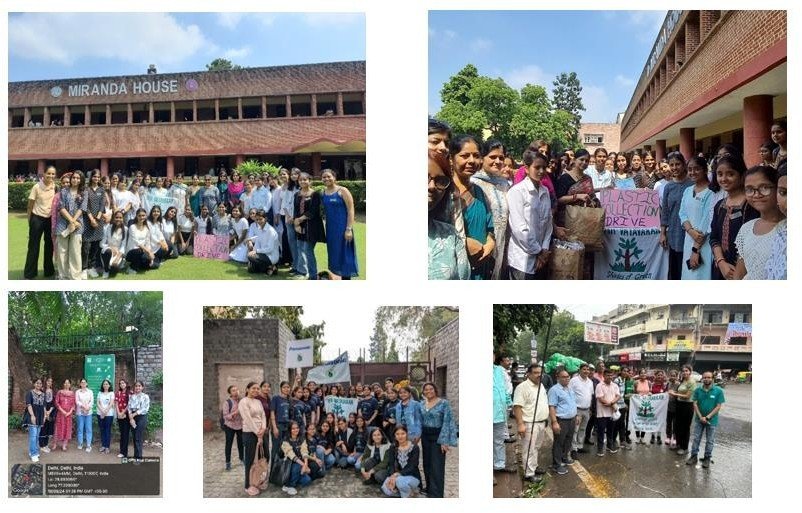
Through environmental audits, biodiversity documentation, cleanliness drives, awareness campaigns, skill-building workshops and village-level interventions across five adopted villages, the college translates sustainability principles into meaningful action. Students play a central role in planning and implementing these initiatives, ensuring that learning extends beyond the classroom.
The initiative has strengthened community-campus partnerships, fostered environmental stewardship and promoted sustainable behaviours by combining academic learning with hands-on community engagement aligned with the Sustainable Development Goals.
Description
MH Vatavaran was established to coordinate and strengthen sustainability initiatives by integrating environmental awareness with student participation and community outreach.
Key activities include:
- Plantation drives and cleanliness campaigns.
- Eco-product and upcycling workshops.
- The 30-Day Environmental Challenge.
- Vriksh Rakshabandhan and Nukkad Nataks.
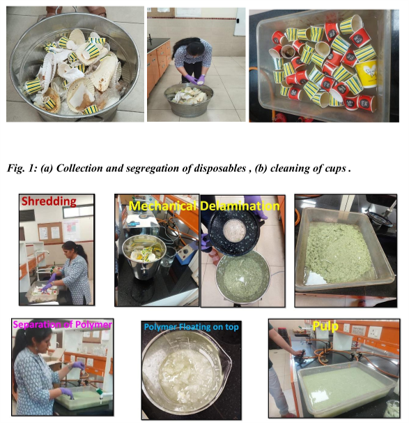
- Plastic waste collection and recycling through partnerships.
- Installation of eco-benches on campus.
- Global Roti Day community outreach.
- Zero-Waste Campus Initiative and e-waste collection.
- Documentary projects, fitness campaigns and experiential learning visits.
Objectives
The initiative aims to:
- Integrate sustainability into academic and co-curricular activities.
- Promote sustainability literacy and student leadership.
- Reduce the campus environmental footprint.
- Develop community-based solutions to environmental challenges.
- Align campus initiatives with national missions and the Sustainable Development Goals.
Innovation
The initiative adopts a continuous engagement model that embeds sustainability throughout the academic year rather than through isolated events. By combining campaigns, workshops, field visits, street theatre, competitions and community outreach, it creates sustained participation and long-term behavioural change.
Outcomes
The initiative has generated measurable environmental, educational and community benefits.
Key achievements include:
- Increased waste segregation and recycling on campus.
- Enhanced sustainability awareness among students and staff.
- Strengthened community-campus partnerships.
- Improved student leadership and practical skills.
- Encouraged long-term behavioural change towards sustainable living.
Scalability
The initiative provides a flexible model that can be adopted by higher education institutions seeking to strengthen community engagement through sustainability.
Its scalable components include:
- Student-led sustainability societies.
- Environmental awareness campaigns.
- Community outreach programmes.
- Village partnerships under Unnat Bharat Abhiyan.
- Academic mentoring integrated with sustainability initiatives.
- Participatory campus sustainability projects.
By integrating student leadership with academic mentorship and community partnerships, the model offers a practical framework for institutions seeking to create lasting environmental and social impact.