Principal, BCM Arya Model Senior Secondary School Ludhiana, Punjab
BCM Arya Model Senior Secondary School, Ludhiana, recipient of the Third Prize under the Zero Waste and Circularity category at the Sustainability Karma Campus Leadership Awards 2026, is recognised for its Zero Waste Policy, Plastic-Free Campus, waste segregation, responsible food practices and community sustainability outreach.
BCM Arya Model Senior Secondary School has embedded sustainability into everyday campus life through a comprehensive Zero Waste Policy that promotes responsible consumption, waste segregation and environmental stewardship. Students actively participate in practical sustainability initiatives that encourage lifelong environmentally responsible behaviour.
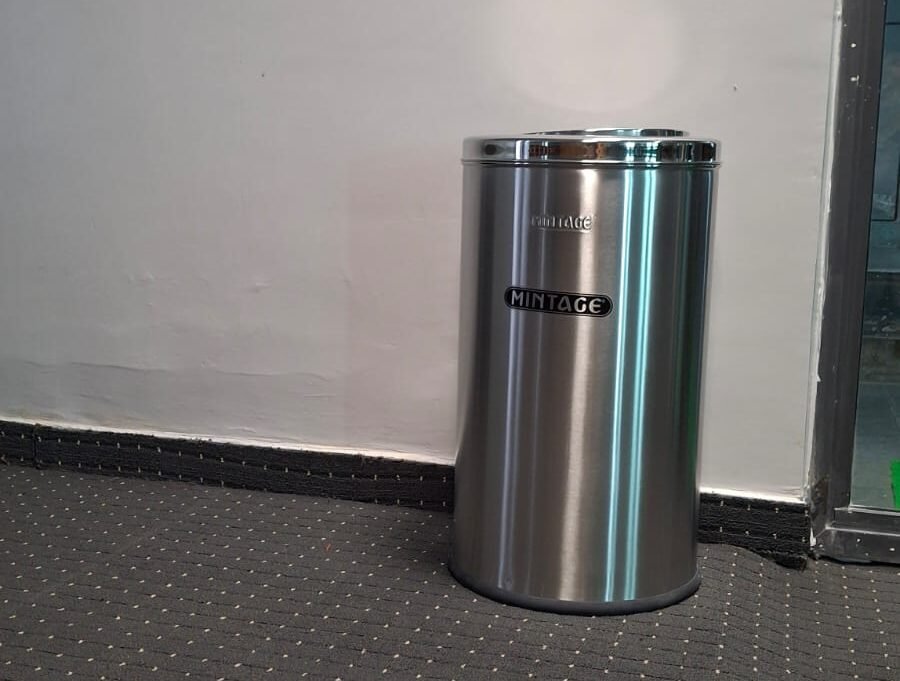
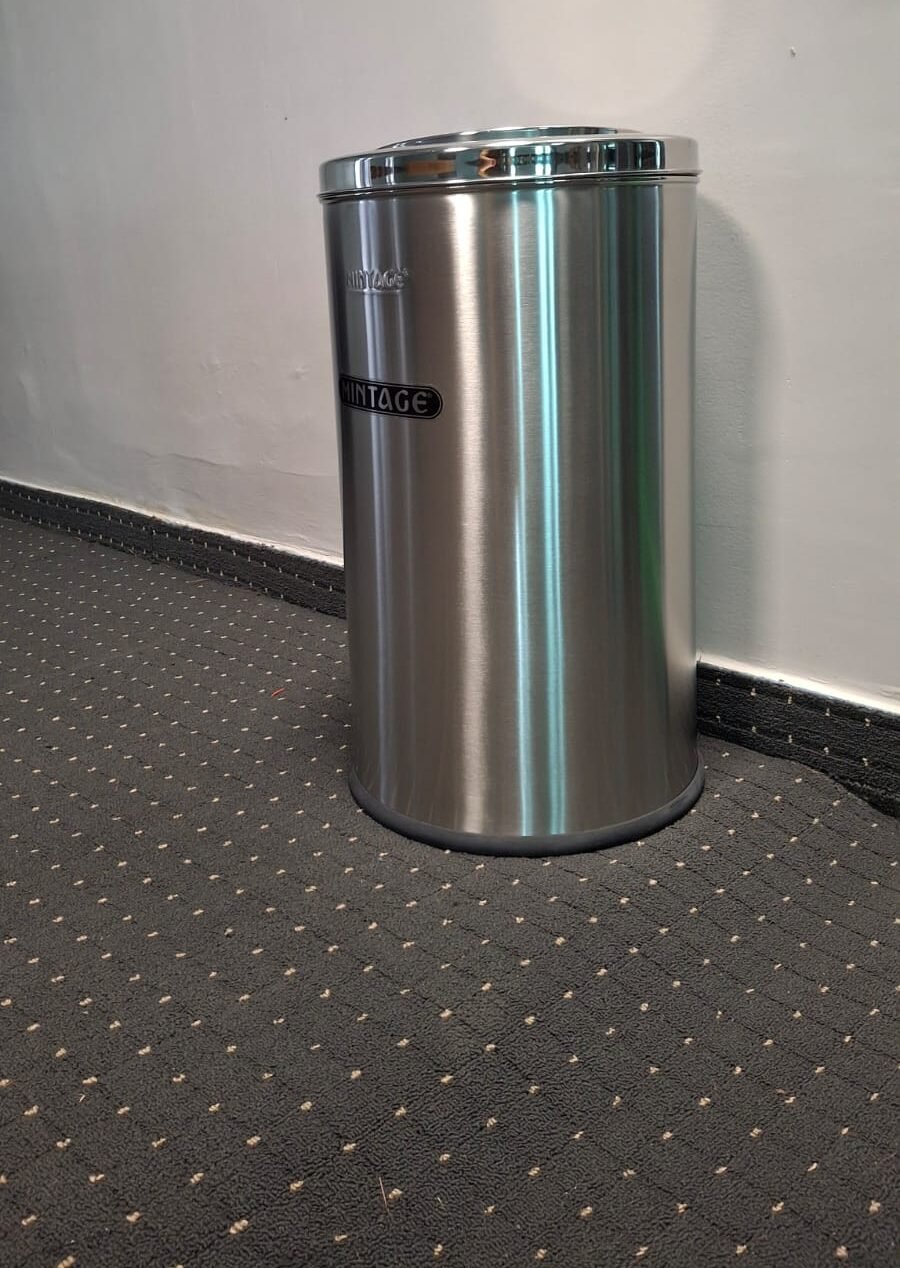
The school has established a Plastic-Free Campus, with separate bins for wet and dry waste in every classroom to ensure effective waste segregation. Sustainable food practices are encouraged through nutritious seasonal menus, reduced packaging and the responsible utilisation of leftover food during school events.
Beyond campus operations, the institution extends its sustainability efforts to the wider community through social outreach, donation drives and environmental awareness programmes, demonstrating that sustainable living is closely linked with compassion and civic responsibility.
Description
The school’s sustainability programme combines environmental responsibility with community engagement, enabling students to translate classroom learning into meaningful action.
Key activities include:
- Maintaining a Plastic-Free Campus.
- Segregating wet and dry waste across the campus.
- Promoting sustainable food practices and minimising food waste.
- Organising donation drives through Daan Utsav.
- Donating groceries, clothing and essential supplies to charitable organisations.
- Supporting flood-affected communities through relief initiatives.
- Organising Eco Fest Harit Diwali to promote sustainable products made by NGOs.
- Celebrating environmental and social inclusion through community outreach programmes.
Objectives
The initiative aims to:
- Promote responsible waste management and resource conservation.
- Encourage sustainable lifestyles among students and staff.
- Integrate environmental education with practical learning.
- Foster community participation through social outreach.
- Develop environmentally conscious and socially responsible citizens.
Innovation
The initiative integrates zero-waste practices with community service, demonstrating that sustainability extends beyond environmental conservation. By combining waste reduction, responsible consumption and social outreach, the programme creates experiential learning opportunities that nurture environmental awareness, empathy and civic responsibility.
Outcomes
The initiative has generated significant environmental and social benefits.
Key achievements include:
- Established effective waste segregation across the campus.
- Eliminated the use of single-use plastics within the school.
- Reduced food waste through responsible consumption practices.
- Strengthened student participation in sustainability initiatives.
- Supported vulnerable communities through donation and relief programmes.
- Increased environmental awareness among students, staff and the wider community.
Scalability
The initiative provides a practical model that can be adopted by schools of different sizes through low-cost, community-driven sustainability practices.
Its scalable components include:
- Plastic-Free Campus initiatives.
- Waste segregation at source.
- No Food Wastage campaigns.
- Student-led environmental awareness programmes.
- Community donation and outreach drives.
- Eco-fests promoting sustainable products and local NGOs.
By combining environmental stewardship with community engagement, the model enables educational institutions to build a culture of sustainability that delivers lasting environmental and social impact.