Principal, Kanoria PG Mahila Mahavidyalaya, Jaipur, Rajasthan
Kanoria PG Mahila Mahavidyalaya, Jaipur, recipient of the Second Prize under the Holistic Sustainability Excellence category at the Sustainability Karma Campus Leadership Awards 2026, is recognised for its Green Roots Campus Initiative to Reduce, Manage & Conserve, integrating waste management, vermicomposting, resource conservation, biodiversity and sustainability education.
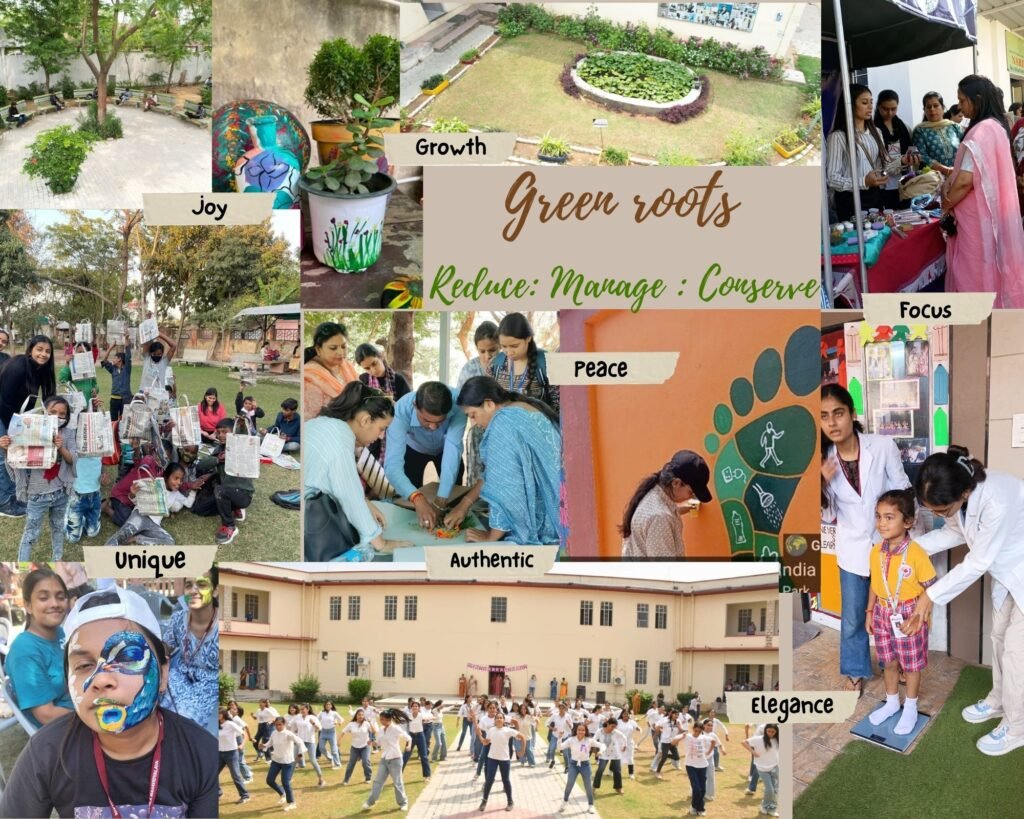
The Green Roots: Campus Initiative to Reduce, Manage & Conserve is a structured institutional initiative that advances environmental sustainability, ecological conservation, and responsible resource management across the campus. It adopts a comprehensive approach by integrating sustainable infrastructure, operational practices, academic engagement, and community participation.
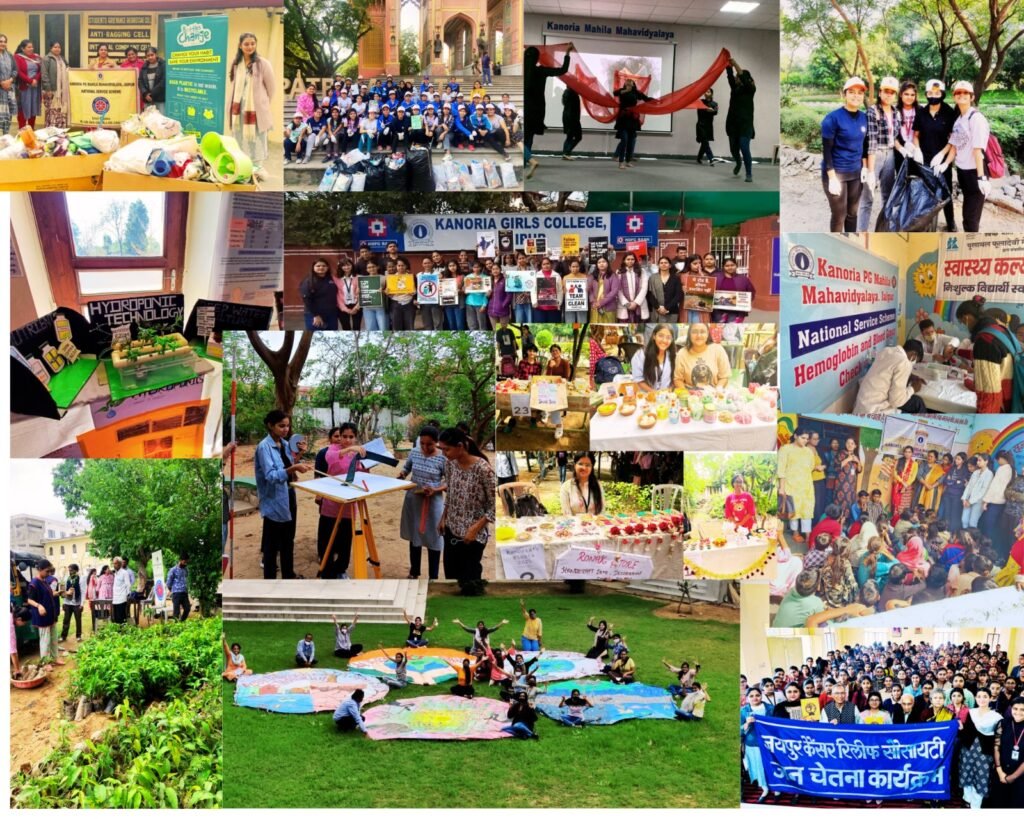
The initiative institutionalises scientific waste management through regular e-waste and plastic collection drives, ensuring proper segregation, collection, and environmentally responsible disposal through authorised agencies. A dedicated vermicomposting unit converts biodegradable waste into nutrient-rich compost, which is used in campus gardens, reducing dependence on chemical fertilisers while improving soil health.
A key academic strength of the initiative is the integration of Environmental Studies and Environment Management into the curriculum. The campus functions as a living laboratory, enabling students to apply classroom learning through hands-on participation in waste management, composting, biodiversity conservation, and flora documentation.
The institution has also documented native, medicinal, ornamental, and rare plant species and developed a botanical garden to support experiential learning, field-based education, and research activities.
Description
The Green Roots initiative delivers sustainability through integrated environmental practices across campus operations, academics and community engagement.
Major activities include:
- Regular e-waste and plastic collection drives.
- Waste segregation systems across the campus.
- NSS-led Trash to Treasure initiatives.
- Installation of solar panels and rainwater harvesting systems.
- Promotion of the principles of Reduce, Reuse and Recycle (3Rs).
- Establishment and operation of a vermicomposting unit.
- Use of organic compost for campus landscaping and gardens.
- Awareness campaigns, including ‘Compost Today, Grow Tomorrow’.
- Documentation of campus flora through a dedicated booklet.
- Development and maintenance of a botanical garden featuring native and rare plant species, including Rudraksh, Sindhoor and Bhang.
- Observance of Wildlife Week and World Ozone Day.
- Integration of Environmental Studies and Environment Management into the curriculum.
- Organisation of a two-day National Seminar on Environmental Studies and Public Health in collaboration with the International Society for Life Sciences.
- Participation in the YUVA Sustainability Conference 2025.
- IQAC-led awareness programmes on sustainable development.
Objectives
The initiative aims to:
- Institutionalise sustainable waste management through systematic waste collection, segregation and environmentally sound disposal.
- Promote the principles of Reduce, Reuse and Recycle (3Rs) while reducing the institution’s carbon footprint.
- Document, conserve and strengthen campus biodiversity through the identification of native, medicinal and rare plant species and the development of a botanical garden.
- Integrate sustainability principles into academic practice by aligning campus-based environmental activities with institutional environmental policies.
Innovation
The initiative adopts an integrated and multidisciplinary approach by combining sustainable infrastructure, biodiversity conservation, academic engagement and community participation.
Innovative interventions include vermicomposting for circular resource management, rainwater harvesting, solar energy systems and the use of the campus as a living laboratory for Environmental Studies. Large-scale seminars, workshops, conferences, plantation drives and awareness programmes complement biodiversity documentation, creating a holistic sustainability model.
Outcomes
The initiative has generated measurable environmental, educational and social benefits.
Key outcomes include:
- Collection of approximately 500 kg of plastic waste.
- Conservation of water and energy resources.
- Reduced environmental impact through improved waste management.
- Eco-friendly campus landscaping supported by vermicomposting and organic compost.
- Delivery of a short-term Organic Farming course in collaboration with the Amritansh Foundation.
- Enhanced experiential learning through the Botanical Garden and Campus Flora Documentation initiatives.
Scalability
The initiative has been designed as a structured model that can be replicated by other educational institutions.
Its implementation framework includes:
- Institutional Vision: Sustainable campus development.
- Pillar 1 – Waste Management: E-waste and plastic collection drives, waste segregation systems, decomposing machines, green waste units, and staff training.
- Pillar 2 – Energy and Water Conservation: Solar energy, rainwater harvesting, LED lighting and green building practices.
- Pillar 3 – Biodiversity and Green Infrastructure: Flora documentation, botanical gardens, Miyawaki forests, and observance of Wildlife Week and World Ozone Day.
This modular structure enables institutions to adopt individual components or implement the initiative as a comprehensive sustainability framework.