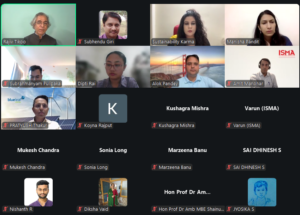
On the eve of World Environment Day 2026, Voices of Bharat: Yuva for Sustainability, an initiative of Sustainability Karma, organised the Yuva Sustainability Roundtable on “Solar Energy for a Cooler Planet”, bringing together renewable energy leaders, development practitioners and young changemakers to discuss the future of India’s clean energy transition.
Aligned with the World Environment Day 2026 theme, “Inspired by Nature. For Climate. For Our Future.”, the roundtable highlighted how solar energy can contribute to climate action, sustainable development, entrepreneurship and community resilience while creating new opportunities for youth leadership and innovation.
Climate Action as a Development Priority
Opening the discussion, Pratyush Thakur, Country Head (India), Blueleaf Energy, emphasised that climate change is no longer solely an environmental challenge but also a social, economic and developmental issue.
Drawing attention to rising temperatures, increasing cooling demands and the growing impacts of extreme weather events, he highlighted the need for solutions that simultaneously support economic growth, improve energy access and strengthen resilience. He noted that renewable energy is approaching a transformative moment that could reshape how societies power their development in the years ahead.
Youth and Entrepreneurship Will Shape the Energy Transition
Subrahmanyam Pulipaka, Chief Executive Officer, National Solar Energy Federation of India (NSEFI), reflected on India’s renewable energy journey and highlighted the emergence of a strong domestic ecosystem of entrepreneurs, innovators and manufacturers.
He encouraged students, researchers and aspiring entrepreneurs to explore opportunities across the renewable energy value chain, including manufacturing, rooftop solar solutions, project development, material sciences and technology-driven enterprises. He emphasised that the future of India’s energy transition will be shaped by the ideas, innovation and entrepreneurial spirit of its youth.
Empowering Citizens Through Rooftop Solar
Addressing participants, Amit Manohar, Secretary General, Indian Solar Manufacturers Association (ISMA), highlighted the transformative impact of the PM Surya Ghar: Muft Bijli Yojana in bringing solar energy directly to households.
He encouraged young people to take the conversation on solar energy into their homes and communities, helping families better understand the benefits of rooftop solar and government support schemes. He stressed that youth can serve as powerful catalysts in accelerating clean energy adoption through awareness and community engagement.
Innovation Opportunities Across the Energy Ecosystem
Speaking on the role of innovation, Alok Pandey, Chief Executive Officer, AIC IIT Delhi, emphasised that the greatest opportunities in India’s clean energy transition extend far beyond solar panel manufacturing.
He encouraged young innovators to focus on solving challenges across the wider energy ecosystem, including battery management systems, energy storage, grid integration, rooftop solar deployment and demand management. According to him, the next generation of successful entrepreneurs will be those who identify emerging challenges and develop scalable solutions that support India’s energy transition.
Solar Didi’s Story Inspires Grassroots Change
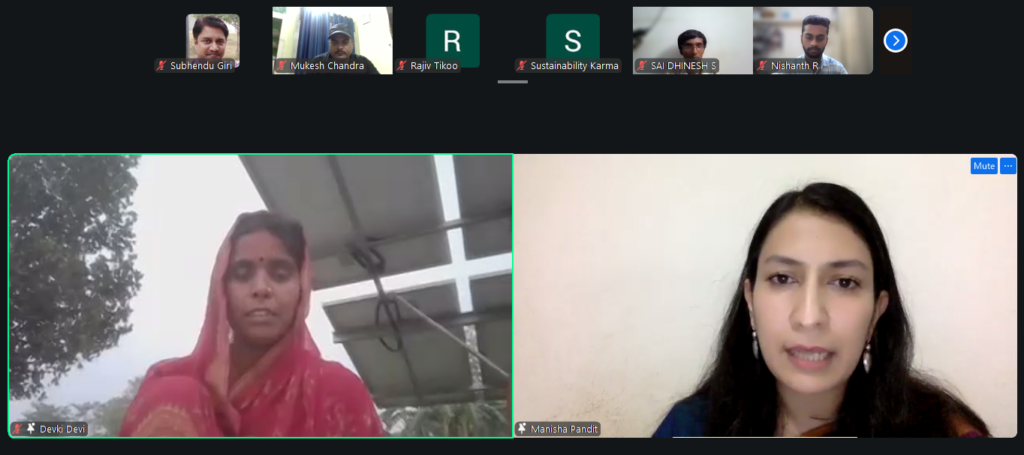
A special highlight of the roundtable was the participation of Devki Devi, popularly known as “Solar Didi”, who shared her inspiring journey as one of the pioneering women to adopt solar-powered irrigation.
Her story demonstrated how clean energy can empower women, strengthen livelihoods and create lasting change within rural communities. Through her experience, participants gained valuable insights into the role of decentralised renewable energy solutions in advancing both sustainable development and social inclusion.
Solar Didi Initiative Strengthening Rural Resilience
Adding further perspective, Mukesh Chandra, Team Leader, Aga Khan Rural Support Programme India (AKRSP-I), highlighted the impact of the Solar Didi Initiative in Bihar.
He explained how women solar entrepreneurs are helping smallholder farmers gain access to solar-powered irrigation while improving agricultural productivity, strengthening climate resilience and creating sustainable livelihood opportunities in rural communities.
Young Storytellers Share Their Vision for Sustainability
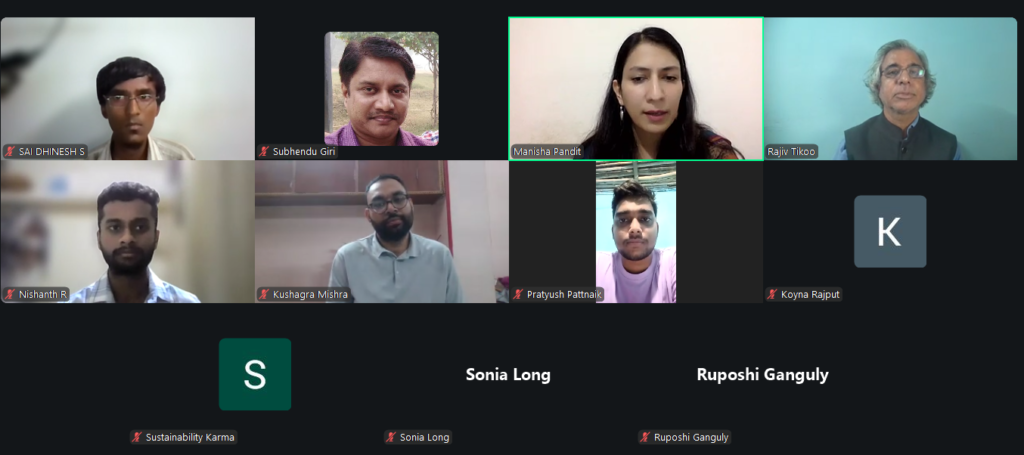
The programme also featured presentations by the Yuva Sustainability Storytellers, whose contributions reflected diverse perspectives on solar energy, climate action, agrivoltaics, environmental governance, sustainable agriculture and community-led development.
A Collective Call for an Inclusive Energy Transition
The discussions throughout the roundtable reinforced a common message: India’s clean energy future will depend not only on technology and policy, but also on innovation, entrepreneurship, community participation and youth leadership.
The event concluded with a collective call to action for young people to become active contributors to India’s energy transition and help build a cleaner, greener and more resilient future for all.